
Nestled in the lush heart of Bali, Ubud has long been celebrated as the island’s cultural and artistic epicenter. Over the years, this charming town has evolved into a vibrant hub for artists, designers, writers, and creative thinkers from around the globe. As the world pivots toward more mindful and responsible travel, Ubud’s creative ecosystem and commitment to sustainable creative tourism have become models for destinations everywhere. This article explores Ubud’s dynamic creative landscape, its impact on the local community, and how sustainable tourism initiatives are fostering a harmonious relationship between visitors, locals, and the environment.
The Rise of Ubud as a Creative Destination
The story of Ubud’s creative ecosystem dates back to the early 20th century, when Western artists such as Walter Spies and Rudolf Bonnet arrived in Bali and were captivated by the island’s unique culture and natural beauty. Their collaboration with local Balinese artists laid the foundation for Ubud’s thriving arts scene. Over the decades, Ubud has continued to attract creatives seeking inspiration, healing, and connection.
Today, Ubud is home to numerous art galleries, craft workshops, yoga studios, and cultural centers. The town’s narrow streets are lined with studios showcasing traditional and contemporary Balinese art, jewelry, sculpture, textiles, and more. The annual Ubud Writers & Readers Festival and Bali Spirit Festival draw thousands of international visitors, affirming Ubud’s status as a global creative hotspot.
What Makes Ubud’s Creative Ecosystem Unique?
Ubud’s creative ecosystem is distinctive for its seamless blend of tradition and innovation. Local artisans still employ age-old techniques in woodcarving, batik-making, and painting, while a new generation of designers and entrepreneurs experiment with sustainable materials and modern aesthetics. This synergy creates a rich tapestry of cultural expression that appeals to both local and international audiences.
Community collaboration lies at the heart of Ubud’s creative success. Artisans, performers, and business owners work together to share knowledge, support each other, and maintain the authenticity of their crafts. This collaborative spirit is evident in the town’s cooperative galleries, artist collectives, and community-run events.
Sustainable Creative Tourism: A Pathway Forward
Sustainable creative tourism in Ubud goes beyond simply attracting visitors; it focuses on creating meaningful, mutually beneficial experiences that support both community well-being and environmental stewardship. This approach recognizes that tourism can be a powerful force for positive change when managed thoughtfully.
Key principles of sustainable creative tourism in Ubud include:
- Community Empowerment: Local residents are actively involved in tourism planning and benefit directly from creative enterprises.
- Environmental Stewardship: Many creative spaces and businesses prioritize eco-friendly practices, from using recycled materials to supporting organic farming and renewable energy.
- Cultural Preservation: Tourism initiatives aim to protect and celebrate Balinese traditions, rituals, and art forms, ensuring they are passed down to future generations.
- Educational Value: Visitors are encouraged to participate in workshops, classes, and immersive experiences that foster deeper understanding and appreciation of Balinese culture.
Creative Accommodations: Where Art Meets Hospitality
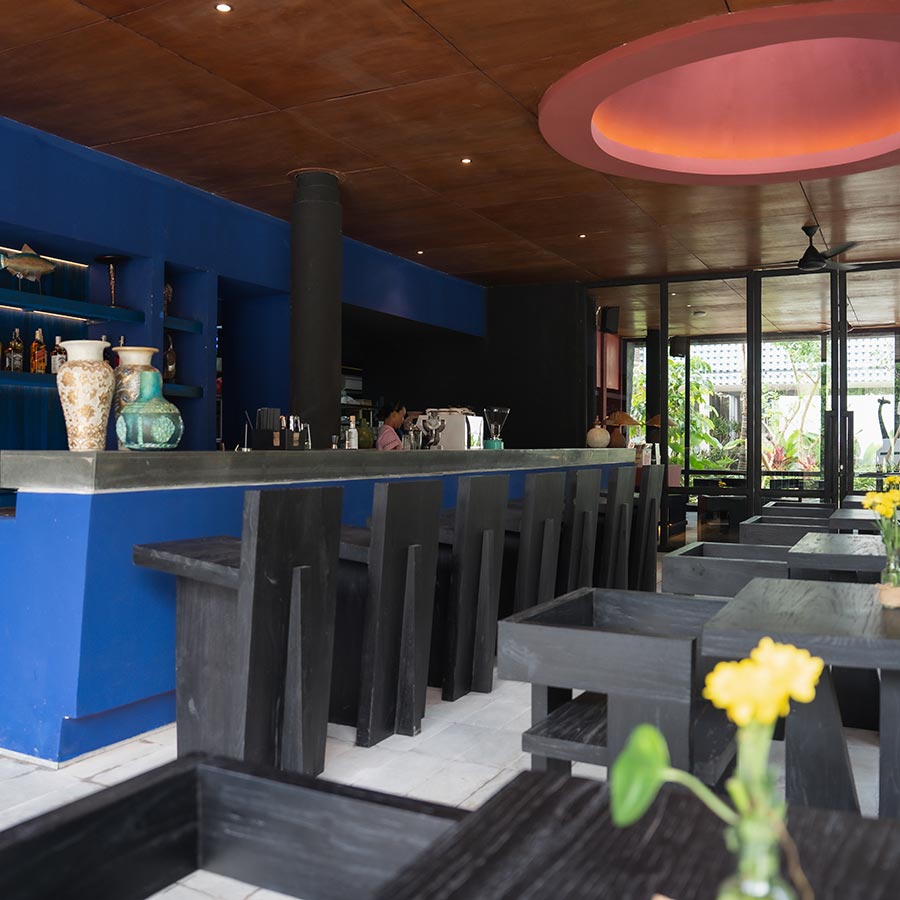
As the demand for unique travel experiences grows, Ubud’s hospitality industry has embraced the creative spirit, offering accommodations that double as living galleries and community hubs. Travelers can stay in beautifully designed spaces that reflect the region’s artistic heritage and contemporary flair.
One standout example is the Boutique Creative Hotel Ubud, where guests are immersed in a world of art, design, and cultural exchange. This hotel not only showcases local craftsmanship in its architecture and furnishings but also collaborates with artists to host exhibitions, workshops, and performances. By fostering connections between guests and the creative community, such hotels help drive the sustainable tourism movement forward.
How Ubud’s Creative Sector Supports Sustainability
Many artists and entrepreneurs in Ubud are at the forefront of sustainability, incorporating eco-conscious practices into their work. Whether it’s upcycling discarded materials into stunning art pieces, using natural dyes and fibers, or supporting fair-trade initiatives, the creative sector is leading by example.
Some key sustainability projects include:
- Eco-Art Installations: Public art projects made from repurposed plastics, bamboo, and other locally sourced materials, raising awareness about environmental issues.
- Organic and Farm-to-Table Culinary Experiences: Restaurants and cafes partnering with local farmers to reduce food miles and promote healthy, sustainable eating.
- Green Building Techniques: Hotels and studios using traditional Balinese architecture and sustainable materials to minimize their environmental footprint.
These initiatives are not only good for the planet but also enhance the visitor experience, allowing guests to engage with the destination in a more authentic and responsible way.
Art, Culture, and Community Engagement
Art and culture in Ubud are deeply intertwined with community life. Many creative spaces double as gathering places where locals and visitors can participate in workshops, music performances, dance classes, and collaborative art projects. This open and inclusive atmosphere encourages cross-cultural exchange and lifelong learning.
Local museums such as the Neka Art Museum and Agung Rai Museum of Art preserve and showcase the region’s artistic legacy, while smaller galleries offer platforms for emerging talents. Visitors are welcomed not as passive spectators but as active participants in the ongoing story of Ubud’s creative evolution.
Workshops, Classes, and Hands-On Experiences
One of the most rewarding aspects of creative tourism in Ubud is the opportunity to learn directly from master artisans. Visitors can sign up for batik painting, silver jewelry making, woodcarving, traditional Balinese dance, cooking classes, and much more. These hands-on experiences foster genuine connections and provide insight into the skills, patience, and stories behind each craft.
By supporting local workshops and creative studios, tourists help sustain these traditions and provide livelihoods for artists and their families. Many workshops are tailored to small groups or individuals, ensuring a personalized and immersive experience.
Festivals and Events: Celebrating Creativity in Ubud
Throughout the year, Ubud comes alive with festivals that celebrate its artistic diversity and cultural richness. The annual Ubud Writers & Readers Festival attracts renowned authors, poets, and thinkers from around the world for workshops, readings, and panel discussions. The Bali Spirit Festival, meanwhile, blends music, yoga, dance, and healing arts in a joyful celebration of personal and collective transformation.
These events not only draw international attention to Ubud but also empower local artists, musicians, and performers by providing them with global platforms. The sense of community and creativity is palpable, making these festivals unforgettable highlights for both locals and visitors.
Supporting Local Businesses and Ethical Shopping
Creative tourism in Ubud goes hand-in-hand with ethical shopping. The town’s bustling markets and boutique shops offer a treasure trove of handmade goods, from intricate textiles and batik clothing to unique ceramics and jewelry. By purchasing directly from artisans or cooperatives, visitors can ensure their spending supports local livelihoods and preserves traditional skills.
Many shops and galleries are committed to fair-trade practices, transparency, and environmental responsibility. Shoppers are encouraged to inquire about the stories behind each item, fostering a deeper appreciation for the artistry and the people behind the products.
Wellness, Mindfulness, and the Creative Spirit
Creativity in Ubud is intimately linked with wellness, mindfulness, and holistic living. The town’s serene landscapes, rice terraces, and sacred temples provide the perfect backdrop for self-discovery and artistic inspiration. Yoga retreats, meditation centers, and wellness workshops abound, attracting travelers seeking balance and rejuvenation.
This focus on personal growth complements the creative ecosystem, as many artists and visitors find that immersion in Ubud’s healing energy sparks new ideas and perspectives. The convergence of creativity and wellness contributes to the town’s unique atmosphere and enduring appeal.
How to Experience Ubud’s Creative Ecosystem Responsibly
Visitors to Ubud can make a positive impact by traveling consciously and supporting sustainable creative tourism initiatives. Here are some practical tips:
- Choose accommodations and tour operators with strong sustainability commitments.
- Participate in workshops and cultural experiences led by local artisans and experts.
- Shop from markets, galleries, and cooperatives that prioritize fair trade and eco-friendly products.
- Respect local customs, ceremonies, and sacred sites.
- Minimize waste and be mindful of your environmental footprint while exploring Ubud.
By making thoughtful choices, travelers can help ensure that Ubud’s creative ecosystem continues to flourish for generations to come.
The Role of Creative Hotels in Ubud’s Sustainable Tourism
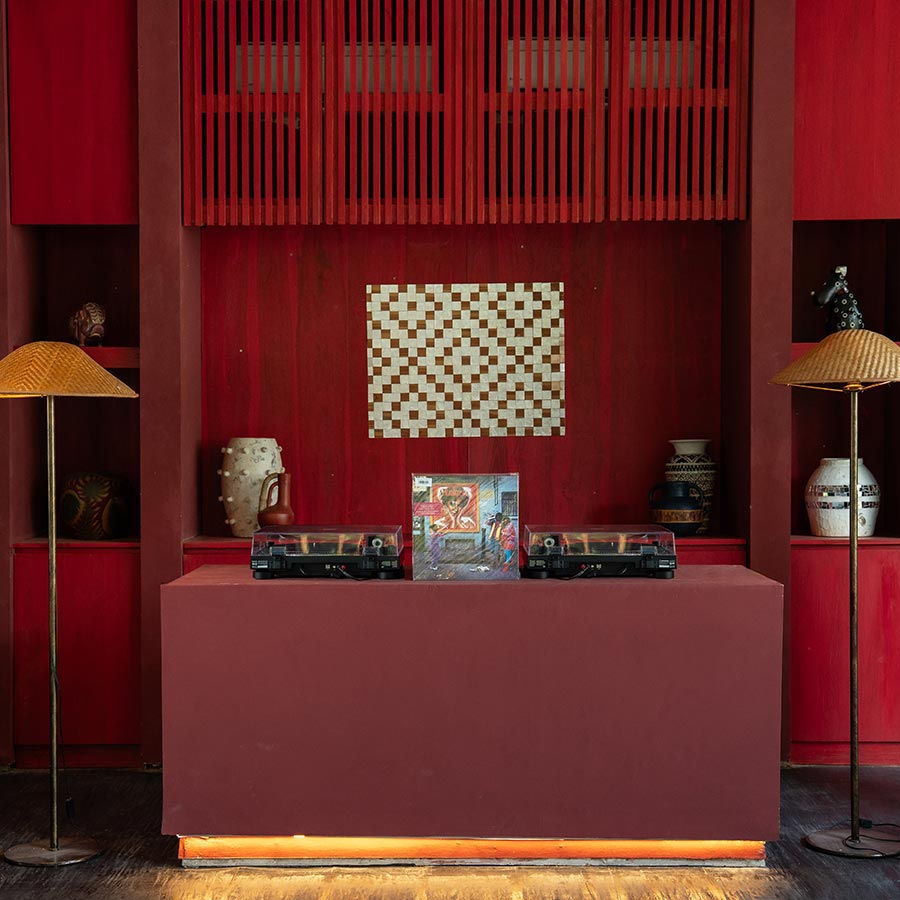
Creative accommodations play a significant role in shaping Ubud’s tourism landscape. The emergence of spaces that blend art, culture, and hospitality has transformed the way travelers engage with the destination. These hotels often host artist residencies, cultural programs, and community events, serving as bridges between visitors and local creatives.
For example, the Creative Hotel in Ubud is renowned for its commitment to sustainability, design innovation, and community engagement. Guests are invited to participate in art workshops, enjoy curated exhibitions, and connect with local artists during their stay. Such initiatives exemplify how the hospitality sector can lead the way in promoting sustainable, meaningful travel experiences.
Looking to the Future: Challenges and Opportunities
While Ubud’s creative ecosystem is thriving, it faces ongoing challenges such as overtourism, environmental pressures, and the need to balance modernization with tradition. Sustainable creative tourism offers a promising pathway forward, but it requires ongoing collaboration among local communities, government, businesses, and travelers.
Innovative solutions, such as regenerative tourism, digital platforms for artists, and eco-friendly infrastructure, are helping Ubud adapt to changing times. By prioritizing people, planet, and creativity, Ubud can continue to serve as a beacon for other destinations seeking to harmonize tourism with cultural and environmental sustainability.
Conclusion: Ubud’s Enduring Creative Legacy
Ubud’s journey from a tranquil village to a dynamic creative epicenter is a testament to the power of art, community, and conscious travel. The town’s creative ecosystem not only enriches the lives of residents and visitors but also demonstrates how tourism can be a force for good when guided by sustainability and respect. As travelers seek more authentic, enriching, and responsible experiences, Ubud stands ready to inspire and welcome all who are drawn to its artistic spirit and natural beauty.